For full schedule go HERE
For Shoulder Events go HERE
For HANDS-ON! Events go HERE
ALL PRESENTERS (by first name) A-J K-R S-Z
FRIDAY KEYNOTE PANEL
SATURDAY SPECIAL GUEST
SATURDAY KEYNOTES
SATURDAY BAND
FEATURED PANELS
SKILL SHARE PRESENTERS
CHILDREN'S PRESENTERS
FRIDAY NIGHT KEYNOTE PANEL



Communities In Action
Jenny Pell, Naga Nataka, Paul Cienfuegos, Eric McCool, and Jan Spencer
This year's Convergence Keynote Panel will share a variety of real-life examples for greening our homes, neighborhoods and communities: rural, urban, and political. This is all about taking care of more needs, closer to where we live, in ways that are friendly to people and planet. Its about making creative use of social and built infrastructure already on site. Redefining economics, culture and social relations is an exciting adventure! Join us to hear five practical and fascinating stories. (Each panel member will continue their own topics during presentations and workshops throughout the Convergence.)
Jenny Pell: 40 People 40 Days
Jenny and her team of five paid interns are in the middle of their 9-month Urban PDC, with 3/4 of the class dedicated to hands-on projects. We will explore what happens when we move beyond the mind, heart, and soul opening inspiration of the theory and philosophy of permaculture and into the realm of skills, policy, up-cycling, art, creating economy, and building resilient community. Come learn what forty people can accomplish in forty days!
Naga Nataka: Fostering Urban Village:
Over the course of ten years, Foster Village has been created out of a simple desire to live more sustainably and communally in the city. This presentation will show how the land has been cared for, what kind of agreements & practices have been formed to sustain the community, and what plans lie ahead for this little urban village in Southeast Portland.
Paul Cienfuegos: Community Rights Movement
In the past 13 years, 150 communities in eight states have passed locally enforceable laws that prohibit corporate fracking, mining, factory farms, and water extraction for bottling. The larger goal: enshrining into local law the RIGHT of local communities to sustainable energy, sustainable agriculture, pure water and air, as well as the RIGHT of natural communities to flourish and evolve. This emerging Community Rights Movement is a vital approach to empowering local civic culture and economies. It's time to get pro-active and take local law-making back into our own hands.
Eric McCool: Transition To Tribe
In the Cow Creek Valley of Southern Oregon, we are making preparations for the shifting paradigm, striving for independence from industrial systems. The process of localization relates to the underlying ethic of permaculture: care of Earth, care of people. In three years we’ve created a farming cooperative, a community garden, a seed bank, and a regional network that’s beginning to feel like tribe.
Jan Spencer: Greening Suburbia
Suburbia, home to half of all Americans, provides jobs for tens of millions of people. The social, environmental and economic costs of suburbia are immense. Remarkably, suburbia presents itself as an unlikely but ideal location to become a new social and economic frontier for addressing many of the most urgent challenges of our times. This new frontier is coming into focus in the River Road Neighborhood in Eugene.
SATURDAY AFTERNOON SPECIAL GUEST

Carol Deppe
Best-selling author "The Resilient Gardener"
Growing Lots of Food with Little Land, Water or Labor
“If you have a farm or estate-sized piece of land with hot and cold running tractors and rototillers, I’m happy for you,” Carol Deppe says. “But, if you don’t, don’t let it slow you down. Do what you can with what you have. And start now. Life is too short to not be gardening.” Carol grows nearly all her food including staple crops as well as seed crops to sell―about 1000 lbs. of corn, 200 lbs. of beans, and a ton or two of squash per year, plus all her vegetables―all on leased land with only hand tools, with just the exception of the annual visit from the local tractor guy. Her talk will include: Finding and using leased land; interplanting annual crops and young fruit trees; staple crops for the unirrigated garden; staple crops for the irrigated garden; choosing the right corn varieties for various purposes; dry bean varieties that are early enough and productive in the Northwest, as classified by flavor; threshing bigger amounts of dry beans by driving on them; adventures in multicropping―squash and overwintering kale; escaping the tyranny of the rototiller: rediscovering the wheel hoe and modifying a stirrup hoe; planting and tending the bigger garden; to maintain the 1/8 acre to 2-acre garden with hand tools without killing yourself or turning it into a full time job, the keys are serious hand tools, not trashing your back, recruiting help for labor bottlenecks (planting and harvesting), and the timing of planting and watering; using strong-flavored perennial greens and weeds; the eat-all greens garden: the most greens for the least space, water, and labor.
About Carol: Oregon freelance plant breeder Carol Deppe specializes in developing public-domain crops for organic growing conditions, sustainable agriculture, and human survival. Her writing includes "The Resilient Gardener: Food Production and Self-reliance in Uncertain Times," "Breed Your Own Vegetable Varieties: The Gardener’s and Farmer’s Guide to Plant Breeding and Seed Saving", and "Tao Te Ching: A Window to the Tao through the Words of Lao Tzu." Carol has a Ph.D. in Biology from Harvard University, and has been experimenting with crops and gardening in Corvallis, Oregon since 1979.
SATURDAY NIGHT KEYNOTE SPEAKERS

Andrew Millison
Keynote: Earth's Best Permaculture Sites in Maps
Permaculture has been spreading throughout the world for the last 30+ years, and there are phenomenal examples from the tropics, temperate, cold, desert and urban environments. Also in the last decade, free up-to-date satellite imagery has become widely accessible through Google Earth, where you can see time-lapse images for most places on the planet in sharp detail. Andrew Millison has spent hundreds of dark winter hours researching, sleuthing, and basically geeking out on Google Earth, locating the most awesome Permaculture sites to be found, and capturing them at the right angles to interpret topography and get a sense of the design patterning employed. Many sites have before, during, and current images to see the site's development over time. Tour the prominent large scale works of the world's most prolific designers: Sepp Holzer, Geoff Lawton, Darren Doherty, David Holmgren, P.A. Yeomans, the Chikukwa Project in Zimbabwe where 7,000 villagers converted a whole region to Permaculture, and much much more!
Andrew Millison
Hands-on! Beginner's workshop at B Street:
Introduction to Applied Permaculture
Get your hands dirty while you get acquainted with the principles and ideals of Permaculture during our Friday Special! Topics include: Assessing a site; Design for multiple benefits; Designs friendly to people and planet! Permaculture is for multiple scale and diverse applications. A perfect introduction, or refresher.
About Andrew: Andrew Millison has been studying, designing, building, and teaching about Permaculture systems since 1996. He is an instructor in the Department of Horticulture at Oregon State University, teaching the Permaculture Design Certificate Course and the Advanced Permaculture Design Practicum. He has taught through other organizations including Prescott College, the Ecosa Institute, and the Cascadia Permaculture Institute. He works with gardeners, developers, university students, and community organizers to promote Permaculture, which he believes is the medicine for Earth's ailments.

Don Tipping
Keynote: Whole Systems Farm Design -Natural Farming Polycultures
Good design sees the land and its elements as an organism, a symphony of dynamics interweaving and supporting each other. Seven Seeds Farm is in its 13th year of development incorporating water catchment, seed breeding, production and distribution, diverse livestock, forest gardens, woodland crafts, aquaculture, Biodynamics, natural building, education and cultural celebration.
Don Tipping
Classroom: Elemental Aikido
Terraforming earth and water with ponds, swales, keyline canals and brush dams to plant water in the landscape. Seven Seeds Farm has made extensive use of keyline ponds and canals to balance out our winter rainforest/summer desert rainfall patterns, enhancing the resilancy and productivity of the landscape.
About Don: Don and his family have stewarded Seven Seeds Farm for the past fourteen years on the north slope of Grayback Mountain in Williams, Oregon. Seven Seeds helps to mentor new farmers through internships and workshops. Don helped to found the Siskiyou Sustainable Cooperative which manages a one hundred and fifty share CSA, commercial seed growing, an equipment co-op and internship curriculum among twelve cooperating farms. Don is currently serving as the president of the Family Farmers Seed Cooperative. He has been a regular contributor to the Permaculture Activist, the Biodynamics Journal, OSU Extension programs. Additional presentations by Don: Seeding The Revolution."

Camp Wisdom
Fire garden punk power Folk
Camp Wisdom is a 7 person folk collective who specialize in fire building and case races. We also like having fun while being respectful. "Bare knuckle folk. Seriously, these guys could beat up 4 young Bob Dylans." (Anonymous).
About Camp Wisdom 1996: First song written in a somewhat psychedelic mind tunnel created from Dallas, Texas to San Francisco, Maine. 1990: the band plays their first show with Kurt Kocaine. 1950: Paul's great uncle is conceived. 1969: The band poses as Santana Beatles and that band plays a pretty cool set at Stockwood. 2006: Liam leaves the band for the navy (rejoins a year later.) 2009: Cool year. 2012: Band dies in plane crash along with the rest of the world. 2013: Nobody even thought this year would happen. Band interests: Chat Roulette and Magic: The Gathering. Artists we also like: Olsen Twins.
2013 NWPCC FEATURE PANEL DISCUSSIONS


The Evergreen State College
Developing Ecologically Aware Practices Panel (DEAP)
Introducing DEAP
Developing Ecologically Aware Practices is a student run organization which manages and maintains a 1 acre portion of our campus. Students are able to enrich core programming by offering a space for hands on learning and experimentation, while providing supplementary learning opportunities via workshops, courses, and guest speakers. We feel that to improve higher education it will require a multifaceted approach. It is necessary rethink the way we isolate courses and programs, instead bringing various disciplines together so students can experience how things relate. Our project is a garden, but that is just a backdrop for what we really do. Visit www.getdeap.org for more.
DEAP
Aquaponics Lab Jessica Schilke has designed, built and manages the Aquaponics system at The Evergreen State College Organic Farm. This project is student organized, student designed, student built, student run and student funded. This 2200 gallon system features koi, goldfish, and plecostomus, wetland plants, vegetables, fruits, perennials and annuals. The system also includes a vertical air lift system for moving water with air and most recently a vertical grow system above the raft tank. This presentation will include general information about aquaponics and the journey of this particular project. Visit www.greenaquaponics.org for more.
DEAP
Working Organic Farm at The Evergreen State College
Student Panel Presentation on a year of working at the The Evergreen State College Aquaponics Lab and Demeter's Permaculture Garden on the Organic Farm. Hear students discuss their experience of participating in TESC’s permaculture pilot program “Developing Ecologically Aware Practices.” Share their stories about immersing themselves in permaculture at TESC; from mycology and plant botany to community organizing and public speaking, these students got a whole systems experience of whole systems theory.
About the students: Dan Dillon, Daniel Cherniske, Jamie Bryn Cummins, and Gabriel Murrey Innskeep are students interns for Developing Ecologically Aware Practices (student permaculture organization), and student body organizers. Class standings freshman to juniors. These student maintain Demeter’s Garden, assist in operating the Aquaponics Lab, and organize workshops for permaculture skills on a weekly basis. These students and their work were the subject of a presentation to TESC’s Board of Trustees at the request of the Evergreen State College President Les Purce.
ALL FEATURED PRESENTERS
(alphabetically by first name)
A-J
K-R
S-Z

Adam Huggins
Hands-on! Workshop at B Street:
NW Plant Walk
Join in for a plant walk exploring the native and introduced flora around the convergence site. We’ll share stories and discuss the edible, medicinal, and utilitarian applications of our plant friends. Cascadian forests are composed of a beautiful and diverse array of plants, many of which are edible or medicinal. We’ll identify the plants growing around and nearby the convergence site and share our experiences with them and the many ways that they can help us create resilient, interdependent relationships with our ecosystems. Patterns can help identify plant families in the future.
Adam is a finger-licking garlic-peeling dumpster-diving busy-body bicycled propagator of plants, songs, and emulsions. He has practiced food forestry, herbalism, and grassroots bioremediation as part of a collective of guerilla gardeners in East Vancouver, BC, and currently inhabits a small palapa at Rolling River Nursery in Northern California, where he helps make lots of plants and sends them to people across the country.

Alexa Bernard
Social Permaculture Strategist
Alexa will briefly cover social permaculture in general terms, then her model for a back to the land strategy that brings together, the primary elements of the emergent culture including gift economy. She defines Social Permaculture as the collaborative design and utilization of social tools, strategies, venues and new cultural constructs to assist in the survival, restoration, health and evolution of humans, their culture ad environmental relationships.
About Alexa: Alexa attended Starhawk's earth Activist Training Permaculture Design Course in Northern California. She studied consciousness research at JFK University in California.
Andrew Millison
Keynote: Earth's Best Permaculture Sites in Maps
Permaculture has been spreading throughout the world for the last 30+ years, and there are phenomenal examples from the tropics, temperate, cold, desert and urban environments. Also in the last decade, free up-to-date satellite imagery has become widely accessible through Google Earth, where you can see time-lapse images for most places on the planet in sharp detail. Andrew Millison has spent hundreds of dark winter hours researching, sleuthing, and basically geeking out on Google Earth, locating the most awesome Permaculture sites to be found, and capturing them at the right angles to interpret topography and get a sense of the design patterning employed. Many sites have before, during, and current images to see the site's development over time. Tour the prominent large scale works of the world's most prolific designers: Sepp Holzer, Geoff Lawton, Darren Doherty, David Holmgren, P.A. Yeomans, the Chikukwa Project in Zimbabwe where 7,000 villagers converted a whole region to Permaculture, and much much more!
Andrew Millison
Hands-on! Beginner's workshop at B Street:
Introduction to Applied Permaculture
Get your hands dirty while you get acquainted with the principles and ideals of Permaculture during our Friday Special! Topics include: Assessing a site; Design for multiple benefits; Designs friendly to people and planet! Permaculture is for multiple scale and diverse applications. A perfect introduction, or refresher.
About Andrew: Andrew Millison has been studying, designing, building, and teaching about Permaculture systems since 1996. He is an instructor in the Department of Horticulture at Oregon State University, teaching the Permaculture Design Certificate Course and the Advanced Permaculture Design Practicum. He has taught through other organizations including Prescott College, the Ecosa Institute, and the Cascadia Permaculture Institute. He works with gardeners, developers, university students, and community organizers to promote Permaculture, which he believes is the medicine for Earth's ailments.

Charlene Murdock
The Lexicon of Sustainability: Photographs by Douglas Gayeton
The Lexicon of Sustainability is a multiplatform project based on a simple premise: people can’t be expected to live more sustainable lives if they don’t know the most basic terms and principles that define sustainability. Filmmaker/photographer Douglas Gayeton and producer Laura Howard-Gayeton have crisscrossed the United States to learn this new language of sustainability from its foremost practitioners. Their unusual “crowd-sourcing” approach allows the public to suggest ideas and even host shows of the work. These methods have helped transform their grassroots project into an international organization with volunteers across the globe. Penny Livingston, Paul Stametz, Joel Salatin, and Wes Jackson are just a few of the food thought leaders that are featured in the photos. Charlene Murdock is a regional curator of the Lexicon and will be available to answer questions and give information about the exhibit throughout the convergence and will also give a classroom presentation about the Lexicon.
About Charlene She was a delegate to the first Terra Madre gathering in 2004. She is a founding member of the Dairy Creek Community Food Web. She currently serves on the Advisory Board for La Esperanza Farm, a project of Adelente Mujeres, working to educate and empower low-income Latina women and families. For 25 years, Charlene and her husband Richard operated Murdock and White, a specialty food brokerage focusing on products crafted by small artisanal producers. They also founded Nana Cardoon, a garden-based learning center.

Charlene Murdock & Gay Wiseman Outdoor Permaculture Food Preservation Kitchen at B Street Farm
This demo kitchen will operate each day of the event weekend. We will use rocket stoves and the earth oven, perhaps a solar oven as well. Produce gleaned from the B St. Farm, produce from Charlene's garden, contributions from other presenters and attendees, and perhaps some locally foraged wild foods. Kitchen activities may include: jam and jelly making; canning of acid fruits; grinding wheat into flour; baking bread (or pizza?) in the earth oven; pressure canning vegetables, and drying of fruits and veggies. Also learn about making kombucha, yogurt, kefir, meat jerky, juices, fruit leather, herbal tinctures, sauerkraut, kim chee, pickles, and more!
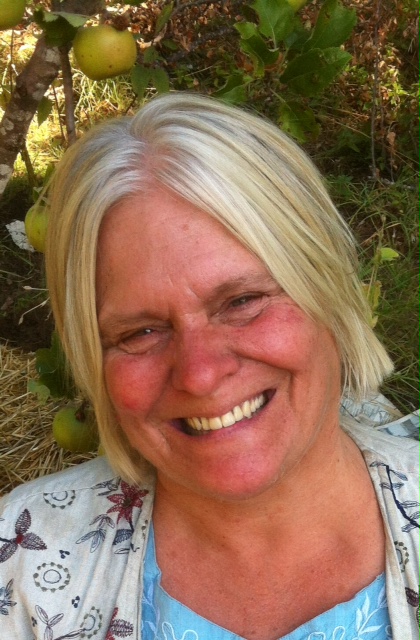
Charlotte Anthony
Sacred Soils
What if all the soil critters were naturally inclined to cooperate with humans. What if our primary job in growing food is to open our hearts and minds to all the critters involved. If this is our job, then how would we do it, maybe a different way for each of us. How could we work on large acerages without tilling and without adding large amounts of organic matter. How can we work with a small amount of labor. Charlotte has been growing soils and plants with the help of the soil critters ever since she studied biodynamic gardening 35 years ago with amazing results. She encourages soil life with certain soil amendments and applications of such things as mycorhizzals, kombucha tea. and EM and her own way of walking with the soil, discovered by listening to what it wants. We would love to hear from all of you about your own experience working with the soil critters.
Charlotte Anthony
Hands-on! Workshop at B Street
Winter Gardening In Cascadia Without Green Houses, Coldframes or Clouches
This is a hands on workshop, so those of you who learn by doing, come prepared to do. In Cascadia, we are fortunate in that by planting in August, or early September, we can harvest vegetables all winter long. There are specific varieties that hold up all winter, creating a continual harvest. We start planting again in February, so when these plants are running out in March, we may continue to eat our home grown vegetables. You will learn which varieties work well for this overwintering process. By planting in a polyculture, including what most people call weeds, the plants grow better, and offer greater nutritional value. We will work together on several methods for creating a thriving soil life which is the basis for thriving plant life, and demonstrate what amendments are used to support this soil life.
About Charlotte She began studying and applying permaculture in 1986. She took her first permaculture design course in 1996. She has been teaching hands-on permaculture since running a permaculture hands-on training in New Orleans after Hurricain Katrina. Charlotte heads up Victory Gardens For All in Eugene, Oregon, where 650 gardens were started in a permaculture friendly fashion. She was led this spring to Ananda Laurelwood, a spiritual community in Gaston, Oregon, where there are 235 acres of land and a community dedicated to growing food and demonstrating permaculture. She has presented at every event of the Northwest Permaculture Convergence and helped organize several of them as well as being on the Board of Directors. Visit www.handsonpermaculture1.org
Christopher Mare
Neurophenomenology of Settlement Morphology
Neurophenomenology exists for the purpose of sensitizing the nervous system, which may result for the designer in increased capacity for perceiving subtle dynamics. In this workshop, Neurophenomenology will be introduced as such a practice. Participants will experience a focused meditation intended to stimulate brain centers involved in perception before actively exploring a site. Recent site design work at Ananda University Laurelwood utilizing this concept, with the purpose of designing for consciousness, will be demonstrated.
Christopher Mare
Designing for Consciousness
Utilizing McHarg’s thematic overlay technique, the first layer of a comprehensive site design ought to be the energetic layer. Numerous mind-body practices exist for the purpose of sensitizing the nervous system, which may result for the designer in increased capacity for perceiving subtle dynamics. In this workshop, Neurophenomenology will be introduced as such a practice. Participants will experience a focused meditation intended to stimulate brain centers involved in perception before actively exploring a site. Recent site design work at Ananda College at Laurelwood utilizing this concept, with the purpose of designing for consciousness, will be demonstrated.
About Christopher: Chris Mare took his first PDC in 1993, and has been a full-time student ever since. Mare designed and completed the world’s first formal degree devoted to Ecovillage Design, and is currently working on a doctoral dissertation bringing forth the concept of a “neurophenomenology of design.” Mare founded the educational non-profit Village Design Institute, which will be the vehicle for establishing a Design Academy for Dwapara Yuga.

Conor Peterhans, Fallon Harris & Johanna Wood
Permaculture and Resistance: Community, Outreach and Education
Colleges and universities are catalysts for designing and sharing a sustainable future. In this presentation, Pacific University sustainable design alum and seniors will discuss strategies to create a community of intentional students and faculty, the importance of systemic organization for impact-full outreach and provide examples of permacultural education offered through B Street Living Museum.
About Conor: He is a senior student at Pacific majoring in Environmental Studies with a sustainable design emphasis. He is a full time select soccer coach, part-time farm hand, and Aramark Sustainability intern.
About Fallon: She is a senior at Pacific University studying Sustainable Design. She works for the center for a sustainable society at pacific university and b street living museum. In her free time she is a guerrilla gardener, making the world a greener place, one seed at a time.
About Johanna: She a recent Pacific graduate of Environmental Studies with an emphasis in sustainable design. She is a permaculture farmer and designer, permaculture K-12 educator and a project coordinator for sustainability activism of many kinds.

Dan Schuler
Landscape Graphics 101: Translating Principals to Hand Drawings
Clearly conveying your ideas and vision through the use of hand drawn graphics is an incredibly useful tool in the design of any environment. Learning to sketch the visual language of Landscape Designers is a great way to document, plan, and pitch many of the principals of Permaculture. Learn simple tips and techniques that can make a quick sketch look like a professional conceptual, or illustrative, drawing. Whether you're interested in sketching entire site designs, or specific details, understanding the basic visual lingo can greatly improve your outcome!
About Dan: Dan is a graduate of Purdue University, with a degree in Landscape Architecture. At Purdue,he instructed a course on landscape drafting and composition. Landscape Architect with a PDC through Aprovecho, and have recently taught a guest course on landscape graphics as a part of Aprovecho's current PDC. I have also begun to independently consult in Permaculture Design, as well as in landscape graphics tutoring in this past year.
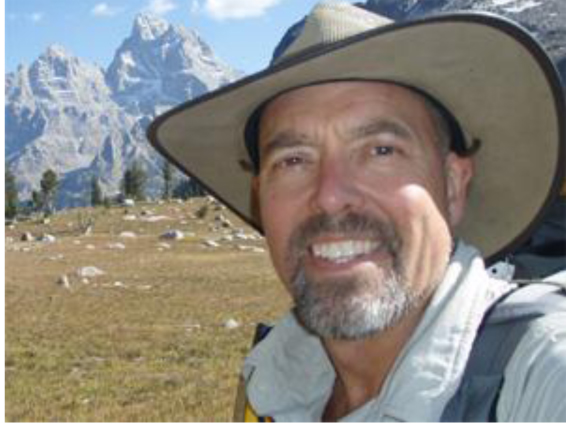
David Burdick
Vertical Gardens: Grow Up and Stay at Home
Vertical gardens are a compelling concept that facilitates the ability to greatly increase the growing capacity of the area. Growing conventional food requires between 10 and 100 calories input for every one calorie output, whereas local and home gardens are between 0.2 and 2 calories in for each calorie output. This session will present the various permaculture approaches to maximizing food production for a home garden and discuss advantages and disadvantages of two vertical garden designs; the soil and hydroponic approach. This session will be useful for landscape architects, permaculturists, and gardeners who want to explore how to grow the most food in the minimum amount of space.
About David: David has a PE, in Mechanical Engineering and a Master of Science in Environmental Decision Making. He designs and develops Earth Harmony Habitats that will harvest all of their own electricity and rainwater, capture and compost all of their own wastes and water, and grow all of their own vegetables on an annual basis.

Deston Denniston
"Got Balls?"
For as long as 3 millennia, farmers and gardeners have made seedballs to protect seeds from rodents and birds, and to assure nutrients are where the seeds need them at germination. Made of clay and compost, seedballs were scattered with confidence that germination would be realized on the seasons first wetting rains. More recently, Masanobu Fukuoka, a farmer and naturalist from southern Japan, developed methods of mechanically creating seedballs, increasing production radically over early hand production methods. At Abundance Consulting we've moved this legacy forward by introducing a variety of modern organic nutrients to the seedball, and developing seedball packages for conservation, agriculture and forestry applications. Bring your own 4 oz seed packets to be rolled in clay! Come find out how you can join us in re-greening the west.
About Deston: Deston earned his BA/BS in Ecological Science and Design from The Evergreen State College and his Masters Degree in Agriculture from Washington State University. He lived and worked on small family farms in Western Washington before and after serving in the US Army.
Don Tipping
Keynote: Whole Systems Farm Design -Natural Farming Polycultures
Good design sees the land and its elements as an organism, a symphony of dynamics interweaving and supporting each other. Seven Seeds Farm is in its 13th year of development incorporating water catchment, seed breeding, production and distribution, diverse livestock, forest gardens, woodland crafts, aquaculture, Biodynamics, natural building, education and cultural celebration.
Don Tipping
Classroom: Elemental Aikido
Terraforming earth and water with ponds, swales, keyline canals and brush dams to plant water in the landscape. Seven Seeds Farm has made extensive use of keyline ponds and canals to balance out our winter rainforest/summer desert rainfall patterns, enhancing the resilancy and productivity of the landscape.
About Don: Don and his family have stewarded Seven Seeds Farm for the past fourteen years on the north slope of Grayback Mountain in Williams, Oregon. Seven Seeds helps to mentor new farmers through internships and workshops. Don helped to found the Siskiyou Sustainable Cooperative which manages a one hundred and fifty share CSA, commercial seed growing, an equipment co-op and internship curriculum among twelve cooperating farms. Don is currently serving as the president of the Family Farmers Seed Cooperative. He has been a regular contributor to the Permaculture Activist, the Biodynamics Journal, OSU Extension programs. Additional presentations by Don: Seeding The Revolution."

Eric McCool
Transition to Tribe
In the Cow Creek Valley of Southern Oregon, we are making preparations for the shifting paradigm, striving for independence from industrial systems. With resilience and self-reliance as our guiding principles, we are growing food and growing neighborly networks into tribe. The process of localization relates to the underlying ethic of permaculture: care of Earth, care of people. We’ve found that the best way to get to know each other is to work together, and we’ve combined the labor of localizing with potlucks, parties, and seasonal gatherings. Together we build fences, plant gardens, chop firewood, preserve food, make music, and go on adventures. In three years we’ve created a farming cooperative, a community garden, a seed bank, and a regional network that’s beginning to feel like tribe.
About Eric: Eric took his PDC course in 2010 under Tom Ward. He has spent the last three yeas working at Gateway Gardens, a permaculture sanctuary in Glendale Oregon. Eric is a founding member of the Glendale Farming Cooperative and the Cow Creek chapter of the Cascadia Localization Network.

Greg Estes
Synergistic Permaculture
I propose that permaculture needs to be re-branded as not just a sustainability/ organic agriculture medium to include the more spiritual and intuition aspects of our journey here on earth as humans. I believe that the movement it self is not lacking is innovation, skill, or diversity, but is lacking the ceremony needed to really develop a deep and profound connection to Gaia and all her wonderment. I would like to hold space for a discussion. Discussing the way in which we can infuse this movement with a deeper since of the magic and spiritual awareness to help harness the collective power of the individuals into a harmonic convergence of like minds and souls, to make a concerted effort to better their world and the future of this planet.
About Greg: He is a certified Permaculture Designer and Teacher, a forest ecologist, and arborist with 20 years of land management experience. Over the last 5 years he has been developing a spiritual path and healing practice through shaman visioning session and a multitude of holistic intuition classes and workshops.

Ja Schindler
Detroit: Urban Permaculture Uprisings
Join this virtual mini-tour into the inspiring neighboorhood strenghtening projects of Detroit's community leaders, and share in open discussion on the City Repair inspired convergence planned for this October in Detroit, Michigan. Through decades of internal struggle over financial and racial realities that run a deeper course than most could ever imagine, refreshing human and ecological communities have come to bear fruit in an increasingly beautiful world of post-industrial urban life. If transitions like this can happen in Detroit they can surely happen anywhere.
About Ja: Ja Schindler is an author, gardener, mushroom cultivator, teacher, community organizer. Ja resides in Eugene, Oregon where he researches and offers education and consultation in mushroom cultivation and mycoremediation. Originally from Detroit, Michigan, his interests in post-industrial urban renewal, food security, and environmental awareness developed into a fierce affinity for bioremediation and fungi at a yound age. For the past decade he has been studying mycology, has lived and worked on a preogerssive mushroom farm, developed low-tech cultivation methods, as well as experimenting with an array of remediation strategies. His first book will be reseased in the Spring of 2014, titled Fungi For the People. For info on his workshop offerings visit Fungiforthepeople.org

Jan Spencer
Greening Suburbia
Suburbia, home to half of all Americans, provides jobs, directly or indirectly, for tens of millions of people. The social, environmental and economic costs of suburbia are immense. The fact that entrenched political and economic self interest continue to force investment amounting to many billions in suburbia and its related infrastructure makes it clear that the economic system as we know it is not an ally for a healthy and peaceful world. Remarkably, suburbia presents itself as an unlikely but ideal location to become a new social and economic frontier for addressing many of the most urgent challenges of our times. This new frontier is coming into focus in the River Road Neighborhood in Eugene.
Jan Spencer
Transform Your Home and Neighborhood
This hands on session will include a slide show, tour of B Street plus show and tell for what can be done with a suburban property. You will gain a new sense of possibilities where you live in terms of edible landscaping, passive solar design, rain water catchment, reclaiming automobile space, home economics, aesthetics, resilience, working with your neighbors and much more. Your place could become a community educational resource for transforming a single property and the neighborhood. Jan Spencer has been making big changes to his quarter acre property in Eugene for 13 years and has a great deal of information to share.

Jan Spencer and Pat Rassmussen Permaculture and Working With the Mainstream Many cities, communities of faith, and NGO's are talking green. How far that goes is a good question. But the fact is, there are many creative and exciting opportunities for going green by working with the mainstream. This session will be a combination of two short presentations by Jan Spencer and Pat Rasmussen. Others with experience working with the mainstream will be invited to briefly share their experience. We want to focus on real life actions like the city-facilitated food forests on public property in Olympia; volunteer programs, matching grants, urban agriculture, and neighborhood program in Eugene. Also to touch on - Port Townsend's emergency preparedness, Beacon Food Forest in Seattle, school gardens, green churches and Fayetteville, Arkansas's urban food initiative. These are great stories and deserve a larger audience. Pat works with Neighborhood Associations and the City to install Edible Forest Gardens on public land, and with churches to create community gardens.
About Jan: Jan moved to Oregon in 1992, a refugee from Texas. He has a BA in Geography and has traveled out of the country for over 5 years visiting over 35 countries on four continents. He completed a PDC in 1991. He has been transforming his 1/4 acre suburban property for 13 years using solar, rain water catchment, reclaimed automobile space, edible landscaping, food storage and more.
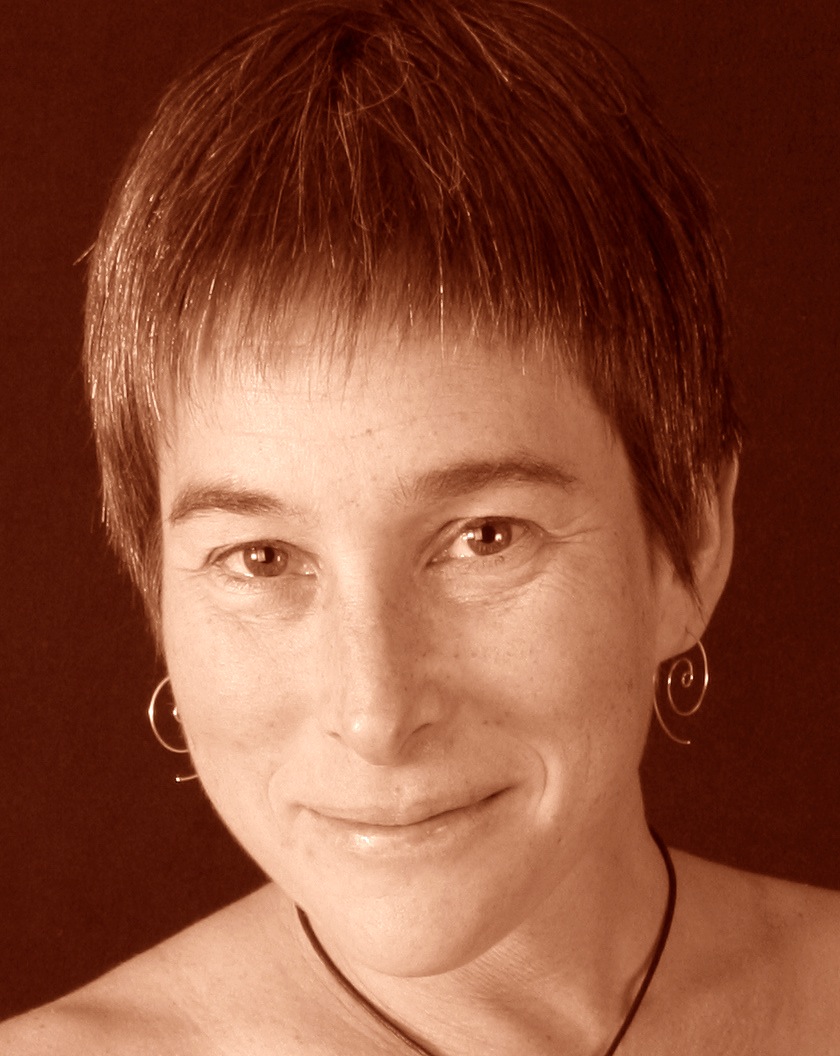
Jenny Pell
Forty People, Forty Days
Join Jenny Pell as she shares her experiment in implementing urban permaculture on a grander scale! We will explore what happens when we move beyond the mind, heart, and soul opening inspiration of the theory and philosophy of permaculture and into the realm of skills, policy, up-cycling, art, creating economy, and building resilient community. Jenny and her team of five paid interns are in the middle of their 9-month Urban PDC, with 3/4 of the class dedicated to hands-on projects. Come learn what forty people can accomplish in forty days!
About Jenny: Former tree planter, helicopter pilot, carpenter, and yurt builder, Jenny stays busy managing her growing full-service design/build company Permaculture Now! Based out of Seattle, WA, Jenny works around the Pacific NW, with fun projects in Maui and larger ventures overseas. Projects include everything from urban permaculture homesteads to farms transitioning from annuals to diversified perennial agriculture, with an increasing focus on policy work related to urban food security. Every project is designed with “social permaculture”, community, and resilient interdependent local economy at its heart.
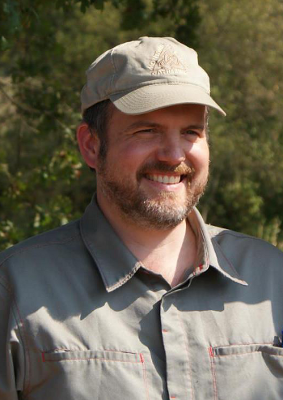
Jeremy O'Leary
Growing medicinal plants in a Food Forest
Stack another function in your food forest. An introduction to growing and processing select medicinal plants. Explore how to use them to treat wounds, rashes, lung/sinus issues and stress relief. They also serve many different ecological functions, like soil health and pollinator support. We’ll mostly focus on native plants. Lastly, medicinal plants can and do have different reactions for different folks, so don’t get adventurous with a plant you haven’t worked with before. Note: if you are under the care of a physician, listen to them.
About Jeremy: Jeremy has had 9+ years experience with permaculture, a former field botanist and completed the Elderberry School of Botanical Medicine in 2011. He has had the opportunity to train with instructors like Toby Hemenway, Darren Dougherty, Geoff Lawton, Tom Ward and Dave Jackie. He has worked on several local policy efforts (Peak Oil Task Force, Climate Action Plan, Multnomah Food Initiative, PDX Plan).

John Saltveit
Growing Food Through Community Connections
Sharing ways to grow food through community connections. Resources in media, organizations and experiences that can help you like Home Orchard Society, Nurseries, Metro workshops, internet groups like Permies.com, local activities like last year’s NWPCC and Village Building Convergence. Neighbors working together to share.
About John: John works with a neighborhood food trading/sharing group and has been part of a gardening club for 10 years. He has a food forest, writes articles and runs experiments for the Pome News, for the National Clonal Germplasm Repository, and others. John teaches classes in grafting, and general gardening. He gives presentations for libraries on growing fruit trees and has enjoyed public tours of his garden.

Kelda Miller
Hands-on! Workshop at B Street
Installation of Permaculture Gardens
Ever wonder what the very first steps are in creating an abundant, edible landscape around you? As a positive side to itinerant renting and land-sharing, Kelda Miller has installed numerous kinds. Come learn about different types of mulching, pros/cons of bringing in offsite materials, and even(!) just digging up sod with a shovel, tiller, or sod-cutter. We'll also talk about establishing the famous self-seeding, low-water-needing, shared-nutrient profiles that make our permaculture gardens so easy to love and hard to leave.
About Kelda: Kelda is based in Pierce County, WA and acknowledges that she has started more gardens than she can ever maintain or harvest from. She currently teaches at Bastyr University, Evergreen State College, and at numerous local events in her area, as well as constantly working for a few design clients who are establishing their own gardens.

Larry Korn
Sowing Seeds in the Desert: Fukuoka related to Permaculture
Larry will discuss farming methods and philosophy of Mr. Fukuoka and how they compare to the practices and principles of permaculture, as well as Mr. Fukuoka's plan to regreen the human-created deserts of the world using Natural Farming.
About Larry: Larry is a soil scientist who spent four years in Japan, two of them at the farm of Masanobu Fukuoka. He is the translator of Fukuoka's book "The One-Straw Revolution". Larry worked for the California State Department of Forestry for several years, then in wholesale and retail nurseries before doing residential landscaping in the San Francisco Bay Area for more than 20 years. He currently lives in Ashland, Oregon.
Marcia Wilcox DIY Grid-Tied Solar with Battery Backup
Think you have to pay a mint and hire contractors to have a grid-tied solar system? Let's take the mystery out of solar power! Learn how to: easily calculate your solar needs; choose the right size and type of panels (or cells, if you want to build your own--it's easy!); understand the various components in the system; hook your array into the grid; understand why you would want to produce power for the electric company; create a battery backup for storing power. Then you'll build a tiny array and watch it power your lights and charge your backup battery. You'll see that building your own solar system is affordable, expandable, renewable, responsible, and best of all, DOABLE.
About Marcia: She has spent 30 years studying, collecting and practicing Earth-friendly skills, just for fun. She is currently earning her degree in Integrated and Applied Sustainability at Pacific University, and developing a workshop series on DIY grid-tied solar power.

Mark Robinowitz
Peak Choice: Cooperation or Collapse
Peak Choice is an uncensored guide that connects the dots between ecology, energy and money. It balances descriptions of these crisis with local, bioregional and global solutions. Peak Choice integrates history, psychology, ecology, petroleum geology, biophysical economics and permaculture to suggest ways we could use our collective talents and resources at the time of "Peak Everything" to relocalize everywhere. How will we use the remaining oil -- to relocalize food production or to have endless war to control what’s left? More details are at www.PeakChoice.org
About Mark: Mark studied the importance of energy to civilization since the 1979 Three Mile Island meltdown. He learned about Peak Oil in 1986, and have worked to raise awareness of the implications of the peak and decline of fossil fuel for our energy, transportation, food and financial systems. Mark has been involved with nuclear disarmament efforts, the campaign to prevent food irradiation and fighting freeway construction. Using solar energy for two decades taught him the joys and limits of renewable energy.

Melanie Vorass
The Front Yard Forager: Stop compulsive weeding!
Happily, permaculture already recognizes many of the benefits of these 'interlopers.' However, when it comes to serving them up in the kitchen, few of us have learned to take full advantage of these labor-free gifts. Participate in this 'weed walk' and learn how to identify and gather some of the most common edible weeds and wild foods available in your garden and in other disturbed areas. This hands-on workshop includes discussion on gathering ethics, local rules and regulations, safety, and general information about how to cook with weeds. Attendees receive a handy take-home flier with field identification information and cooking tips.
About Melanie: Melanie has a degree in ethnobotany, a permaculture design certificate from Oregon State University and a lifetime of foraging experience. She teaches foraging at Seattle Tilth, University of Washington, Seattle University, high schools, girl scout troops, and homeless shelters. Her foraging recipes have been featured in KCTS -9 Cooks and she has been featured in The Seattle Times, Seattle PI, MyNorthwest, and on KING-5 TV. Melanie is author of The Front Yard Forager,and is currently working on a second book, The Invasivore Speaks.

Michael Conway
Hands on! Workshop at B Street:
Perennial Propagation Patterns
A hands on introduction to how plant patterns can guide us to their propagation techniques. Cloning plants through the seasons, the equipment used, and the mojo to make more plants without seed. Applicable for home nursery or for guerilla growing. Whether at home or in the wild you can learn to identify patterns in plant growth that guide us to the appropriate propagation methods through the seasons. This workshop will cover divisions, runners, bulbs, suckers, layering, cuttings, grafting, budding, and the materials you will need to propagate your favorite perennials. We will also examine some plants to explore their patterns and explain why they can be propagated the way they are. With these skills you can clone favored varieties, produce plants without sowing seed, and grow many plants from a single plant. Propagating skills are an essential part of a well-rounded permaculturalist. This is a participatory workshop, we will have discussion, clone plants, and you get to take one home (as supplies last).
Michael Conway
Into a Permaculture Nursery
Rolling River Nursery is located in Orleans California along the beautiful and powerful Klamath River. This presentation will give you a look into how our permaculture nursery is designed and maintained. We sell a diverse inventory of fruit, nuts, medicinals, nitrogen fixers, and other useful plants. All our stock is sold in pots and by mail order all year long. We will discuss the importance of our location, climate, irrigation, animals, diversity, varieties, fertility, pots, and more! Its quite unique for a nursery business to be completely organic, and we will share with you the rewards of doing it so, and the way we grow our plants without harmful chemicals.
About Michael: Raised in the Adirondack Mountains in New York, graduating college in sociology, then moving to California to pursue life on a permaculture plant nursery, Michael is a curious and humble plant lover. Michael desires to continue to learn and live a life of re-greening the areas he touches, preferably with tasty fruit!

Michael Kessler
Tai Chi for Garedeners
The Garden is a metaphor for life. If you're growing as a person—you’re a gardener. Tai Chi for Gardeners is an opportunity to strengthen the body and soothe the mind. We'll use Tai Chi and Chi Kung to explore powerfully gentle ways to do both easy and strenuous gardening. You'll learn how to use your body in a way that avoids injury and general discomforts.
About Michael: He has been practicing, applying and teaching the meditative martial arts of Aikido and Tai Chi Chuan for 30 years.
Naga Nataka
Fostering Urban Village: How a thriving community formed by gathering a dozen people together on three city lots
Over the course of ten years, Foster Village has been created out of a simple desire to live more sustainably and communally in the city. This presentation will show how the land has been cared for, what kind of agreements & practices have been formed to sustain the community, and what plans lie ahead for this little urban village in Southeast Portland.
About Naga: Naga has spent the last 20 years building & maintaining various communal living situations and team-based businesses. He migrated to Portland four years ago, where he works with the management team at People's Food Cooperative and serves on the Board of Directors of Tryon Life Community Farm. He is also active in the movement for community rights and local governance.

Pat Rasmussen
How to Turn Your Lawn into an Edible Forest Garden
Edible Forest Gardens are fruit and nut trees, berry bushes and perennial vegetables. They are organic, no-till and are self-sustaining after they get established. Learn the steps to create this urban permaculture paradise in your own yard - and get together with neighbors to plant some in their yards too for a neighborhood cooperative garden. Perennial vegetables become part of the "Fruit Tree Guild" of plants that support fruit tree vigor. Learn how to make hugelbeds - a raised bed with pieces of wood in it that hold water and release nutrients to the plants - they don't need to be watered. Our local non-profit Edible Forest Gardens helps private landowners convert their yards with volunteers, neighborhood associations and the City to install Edible Forest Gardens on public land and with churches to create community gardens. We have established more than 50 gardens in Olympia and more are on the way.
Pat Rassmussen and Jan Spencer
Permaculture and Working With the Mainstream
Many cities, communities of faith and NGO's are talking green. How far that goes is a good question. But the fact is, there are many creative and exciting opportunities for going green by working with the mainstream. This session will be a combination of two short presentations by Jan Spencer and Pat Rasmussen. Others with experience working with the mainstream will be invited to briefly share their experience. We want to focus on real-life actions like the city-facilitated food forests on public property in Olympia; volunteer programs, matching grants, urban agriculture, neighborhood program in Eugene. Also to touch on are Port Townsend's emergency preparedness, Beacon Food Forest in Seattle, school gardens, green churches and Fayetteville, and Arkansas's urban food initiative. These are great stories and deserve a larger audience.
Pat Rasmussen
Hands-on! Workshop at B Street
Learning to Plant Fruit Tree Guilds
In this hands-on workshop we will sheet mulch around the trees with three layers of cardboard and 4 inches of woodchips then plant the perennial plants. We will make a mushroom patch to begin reconnection of the mycelial network to transfer nutrients around the system. And we will put Mycogrow and Azomite (trace minerals) around the plants to help root growth. Once established, this food forest will be self-sustaining. It's no-till, organic and will be a climate-friendly carbon sink. You will learn what you need to know to put one in your own yard or community garden.
About Pat: She has been helping people install Edible Forest Gardens in their yards for the past five years and has put more than 50 in Olympia's urban landscape. Her non-profit Edible Forest Gardens invites volunteers to help install gardens so they can learn by doing and go home and put one in their own yard. She also works with Neighborhood Associations and the City to install Edible Forest Gardens on public land, and with churches to create community gardens.

Paul Cienfuegos
Community Rights Approach to a sustainable future
150 communities in nine states have now realized that if we are to create truly sustainable local cultures, we're going to have to do it ourselves, by exercising our inherent right of local self-governance. We call ourselves the Community Rights movement. We're passing laws that prohibit corporate water extraction for bottling, corporate fracking and mining, corporate factory farm and GMO agriculture, etc. The larger goal: enshrining into law the RIGHT to sustainable energy, the RIGHT to safe food, the RIGHT to water, the RIGHT of nature to flourish and evolve, etc. It's time to get pro-active and take local law-making back into our own hands.
About Paul Paul is the lead organizer for the Community Rights movement in Oregon. He leads workshops across the U.S. His talks have been broadcast nationally on David Barsamian's 'Alternative Radio' weekly show. He is a founder of Community Rights PDX, and was instrumental in helping to launch the Benton and Lane County (Oregon) "Sustainable Food System Ordinance" campaigns that will be on the ballot next May, and which he will discuss at his Communities Panel talk and follow-up workshop. More info: PaulCienfuegos.com. Paul also runs our Convergence bookstore www.100fires.com.